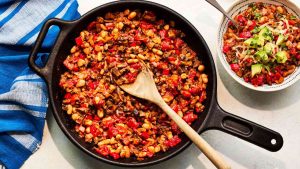
Healthy Meals Do Not Have to Be Expensive
Many people believe eating healthy requires specialty ingredients or expensive grocery trips. In reality, you can prepare nutritious, satisfying meals using everyday foods that are already in your kitchen.
Staple ingredients like rice, pasta, beans, eggs, frozen vegetables, canned tomatoes, oats, potatoes, and basic seasonings can be combined in many different ways. With a little planning and creativity, you can reduce food waste, save money, and enjoy balanced meals throughout the week.
This guide explains how to make the most of the ingredients you already have while keeping meals simple, affordable, and nutritious.
Start by Checking What You Already Have
Before making a shopping list, take inventory of your kitchen.
Look through your:
- Refrigerator.
- Freezer.
- Pantry.
- Spice cabinet.
Write down ingredients that need to be used first, especially fresh produce, dairy products, and leftovers. Building meals around these items helps reduce waste and lowers your grocery bill.
Build Meals Around Basic Staples
Many healthy meals start with inexpensive pantry ingredients.
Common staples include:
- Rice.
- Pasta.
- Oats.
- Potatoes.
- Lentils.
- Beans.
- Canned tomatoes.
- Whole-grain bread.
- Frozen vegetables.
- Eggs.
Keeping these foods on hand makes it easier to prepare meals without an extra trip to the store.
Use the “Protein + Vegetable + Whole Grain” Formula
A simple way to create balanced meals is to combine three main components:
- A source of protein.
- Plenty of vegetables.
- A whole grain or other filling carbohydrate.
Examples include:
- Brown rice, beans, and mixed vegetables.
- Whole-wheat pasta with vegetables and grilled chicken.
- Baked potato topped with tuna and steamed broccoli.
- Vegetable omelet with whole-grain toast.
You can adjust portions and ingredients based on your preferences and dietary needs.
Make the Most of Eggs
Eggs are one of the most versatile and affordable sources of protein.
They can be used in:
- Omelets.
- Scrambled eggs.
- Vegetable frittatas.
- Fried rice.
- Egg sandwiches.
- Grain bowls.
Adding vegetables to egg-based meals increases nutrition while keeping costs low.
Turn Leftovers Into New Meals
Leftovers can become the foundation for tomorrow’s lunch or dinner.
For example:
- Roast vegetables can be added to soups or wraps.
- Cooked rice can become vegetable fried rice.
- Leftover chicken can be used in salads or sandwiches.
- Cooked beans can be added to tacos or pasta dishes.
Repurposing leftovers helps reduce food waste and saves cooking time.
Keep Frozen Fruits and Vegetables on Hand
Frozen produce is often just as nutritious as fresh produce because it is typically frozen soon after harvesting.
Benefits include:
- Longer storage life.
- Less food waste.
- Quick meal preparation.
- Year-round availability.
Frozen vegetables can easily be added to soups, stir-fries, pasta dishes, and casseroles.
Use Beans and Lentils More Often
Beans and lentils are affordable, filling, and rich in nutrients such as fiber and plant-based protein.
They work well in:
- Soups.
- Stews.
- Salads.
- Rice dishes.
- Wraps.
- Vegetable curries.
Using beans in place of some meat can help lower grocery costs while still providing satisfying meals.
Add Flavor With Herbs and Spices
Healthy food does not have to be bland.
Simple seasonings can completely change the taste of a meal.
Common options include:
- Garlic.
- Onion powder.
- Black pepper.
- Paprika.
- Cumin.
- Oregano.
- Basil.
- Turmeric.
Experimenting with different combinations helps create variety without buying new ingredients.
Plan Meals Around Ingredients You Need to Use
Instead of choosing recipes first, start with ingredients that are already available.
For example:
- If you have spinach, eggs, and cheese, make an omelet.
- If you have rice, vegetables, and beans, prepare a grain bowl.
- If you have canned tomatoes and pasta, make a simple pasta sauce.
This approach reduces waste and keeps grocery spending under control.
Prepare Simple One-Pot Meals
One-pot meals save both time and cleanup.
Examples include:
- Vegetable soup.
- Lentil stew.
- Rice with vegetables and beans.
- Pasta with tomato sauce and vegetables.
- Chicken and vegetable casserole.
These meals can often provide leftovers for another day.
Cook Larger Portions
Preparing extra servings can save time during busy weeks.
Store leftovers safely in the refrigerator or freezer for future meals.
Batch cooking works well for:
- Soups.
- Chili.
- Rice.
- Pasta sauces.
- Cooked beans.
Having ready-made meals available can reduce the temptation to order takeout.
Make Healthy Snacks From Everyday Foods
Nutritious snacks do not need to be expensive.
Simple ideas include:
- Fresh fruit.
- Plain yogurt with fruit.
- Oatmeal.
- Whole-grain toast with peanut butter.
- Carrot or cucumber sticks.
- A handful of unsalted nuts, if they fit your budget.
Keeping healthy snacks available can help reduce impulse purchases.
Drink More Water
Beverages can add unnecessary costs and calories.
Choosing water instead of sugary drinks can:
- Save money.
- Support hydration.
- Reduce added sugar intake.
If you prefer more flavor, add slices of lemon, cucumber, or fresh herbs.
Avoid Food Waste
Reducing waste is one of the easiest ways to lower food costs.
Helpful habits include:
- Storing food properly.
- Labeling leftovers with dates.
- Using older ingredients first.
- Freezing extra portions before they spoil.
- Planning meals before shopping.
Small improvements can lead to significant savings over time.
Keep Healthy Convenience Foods Available
Not every meal has to be prepared from scratch.
Budget-friendly convenience options include:
- Frozen vegetables.
- Canned beans with no added salt, if available.
- Plain frozen fruit.
- Whole-grain bread.
- Plain yogurt.
These foods make healthy meals easier to prepare on busy days.
Common Budget Cooking Mistakes to Avoid
Many people spend more than necessary because of simple habits.
Try to avoid:
- Shopping without a list.
- Buying more fresh produce than you can use.
- Throwing away leftovers.
- Preparing portions that are much larger than needed.
- Buying specialty ingredients for one recipe that you may never use again.
Simple meal planning helps prevent these problems.
Build a Flexible Weekly Meal Plan
You do not need a detailed schedule for every meal.
Instead, choose a few versatile ingredients that can be used in different combinations throughout the week.
For example:
- Cook a large batch of rice.
- Prepare roasted vegetables.
- Cook beans or lentils.
- Keep eggs available.
- Use fresh fruit for snacks.
Mixing and matching these ingredients creates variety while keeping preparation simple.
Final Thoughts
Cooking healthy, budget-friendly meals does not require expensive ingredients or advanced cooking skills. By using pantry staples, planning meals around what you already have, reducing food waste, and preparing simple recipes, you can enjoy nutritious meals while keeping grocery costs under control.
Start with the ingredients already in your kitchen, focus on balanced meals, and make small improvements each week. Over time, these habits can help you save money, waste less food, and build a healthier, more sustainable approach to everyday cooking.