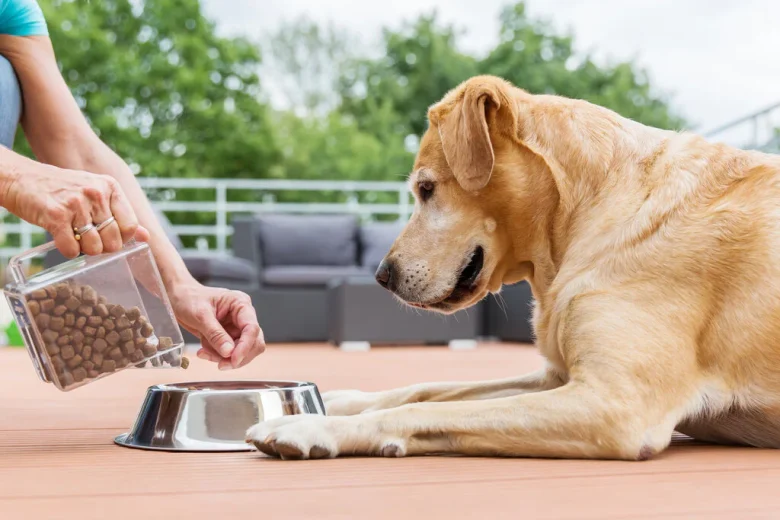
I still remember the day I brought my first dog home. I was twenty-six, armed with a bag of kibble, a cheap leash from the pet store, and absolutely no idea what I was doing. Within the first week, I had overfed him, given him a bath that turned into a wrestling match, and panicked when he chewed through my favorite pair of sneakers. I thought love would be enough. It took me months of reading, asking veterinarians embarrassing questions, and learning from my mistakes to realize that responsible pet care is a skill, not just an emotion.

If you are a new pet owner or someone who wants to do better for the companion already sleeping at your feet, this guide is for you. Pet care is not about perfection. It is about building consistent habits that support your pet’s physical health, mental well-being, and emotional security. Let us walk through the essential pillars of caring for your pet the right way.

Why Consistency Matters More Than Grand Gestures
Pets are creatures of habit. Dogs, cats, and even small animals like rabbits and birds thrive on predictable routines. When your pet knows what to expect, their anxiety drops, their digestion improves, and their behavior becomes more manageable. A consistent schedule for feeding, exercise, and rest creates a sense of security that no expensive toy or gourmet treat can replace.
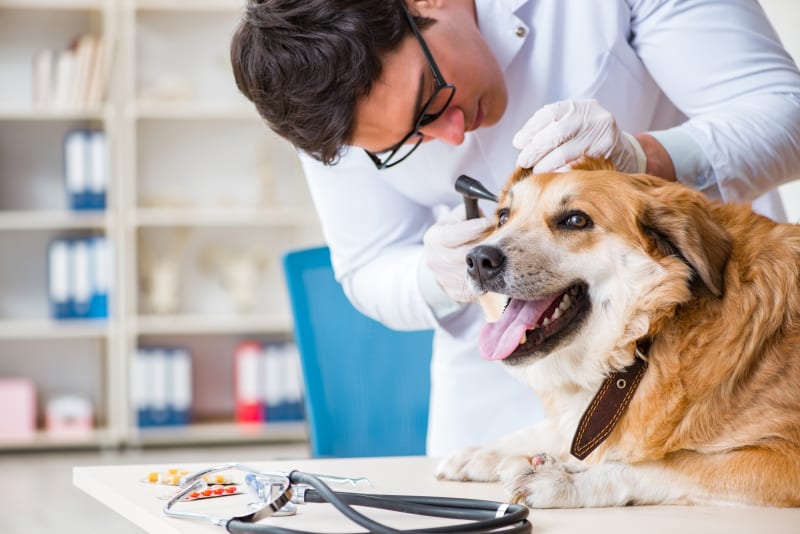
I learned this the hard way when I used to feed my dog at random times depending on my work schedule. He developed digestive issues and started begging at the table because he never knew when his next meal was coming. Once I locked in set feeding times, his stomach settled and his begging stopped almost immediately. The lesson was simple: pets do not need luxury. They need reliability.
Feeding Your Pet the Right Way
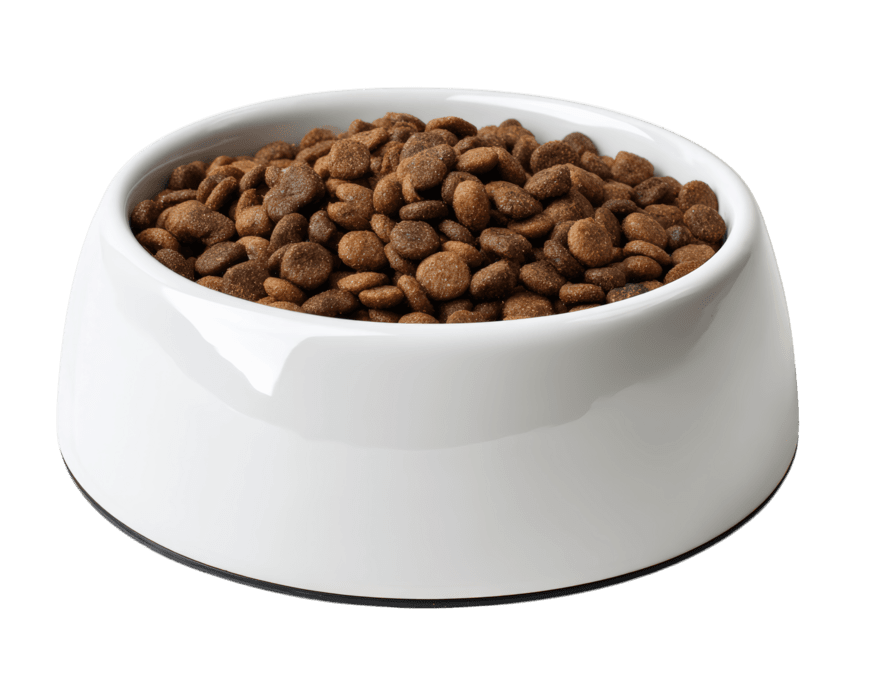
Nutrition is the foundation of your pet’s health. The food you choose directly impacts their energy levels, coat quality, immune system, and lifespan. But with shelves full of options claiming to be the best, how do you decide?

Start by looking at the ingredients list, not the marketing on the front of the bag. The first ingredient should be a named protein source like chicken, beef, or salmon, not a vague by-product or filler like corn gluten meal. For dogs, a balanced diet includes protein, healthy fats, carbohydrates, vitamins, and minerals. For cats, who are obligate carnivores, protein is even more critical, and carbohydrates should be minimal.
Portion control is just as important as food quality. Obesity is one of the most common preventable health issues in pets today, and it can lead to diabetes, joint problems, and heart disease. Follow the feeding guidelines on your pet food packaging as a starting point, then adjust based on your pet’s activity level and body condition. You should be able to feel your pet’s ribs without pressing hard, and they should have a visible waist when viewed from above.
Always provide fresh, clean water. Wash food and water bowls regularly to prevent bacterial buildup. And please, resist the urge to share your dinner plate. Many human foods, including onions, garlic, chocolate, grapes, and xylitol-containing products, are toxic to pets. If you want to give treats, stick to pet-safe options and keep them under ten percent of your pet’s daily caloric intake.
Exercise and Mental Stimulation: Two Sides of the Same Coin
A tired pet is usually a well-behaved pet, but exercise is about far more than burning energy. Regular physical activity keeps your pet’s muscles strong, their joints flexible, and their weight in check. It also provides mental stimulation that prevents boredom and the destructive behaviors that often follow.
For dogs, daily walks are non-negotiable. The amount of exercise needed varies by breed, age, and health status. A young Border Collie may need two hours of vigorous activity per day, while a senior Bulldog might be content with two gentle twenty-minute strolls. The key is to match the intensity to your dog’s capabilities and to make it a daily habit, not a weekend event.
Cats need exercise too, even if they seem content to lounge all day. Interactive play sessions with wand toys, laser pointers, or puzzle feeders engage their hunting instincts and keep them physically active. Indoor cats are especially prone to weight gain and boredom, so creating vertical spaces with cat trees and window perches can make a significant difference in their quality of life.
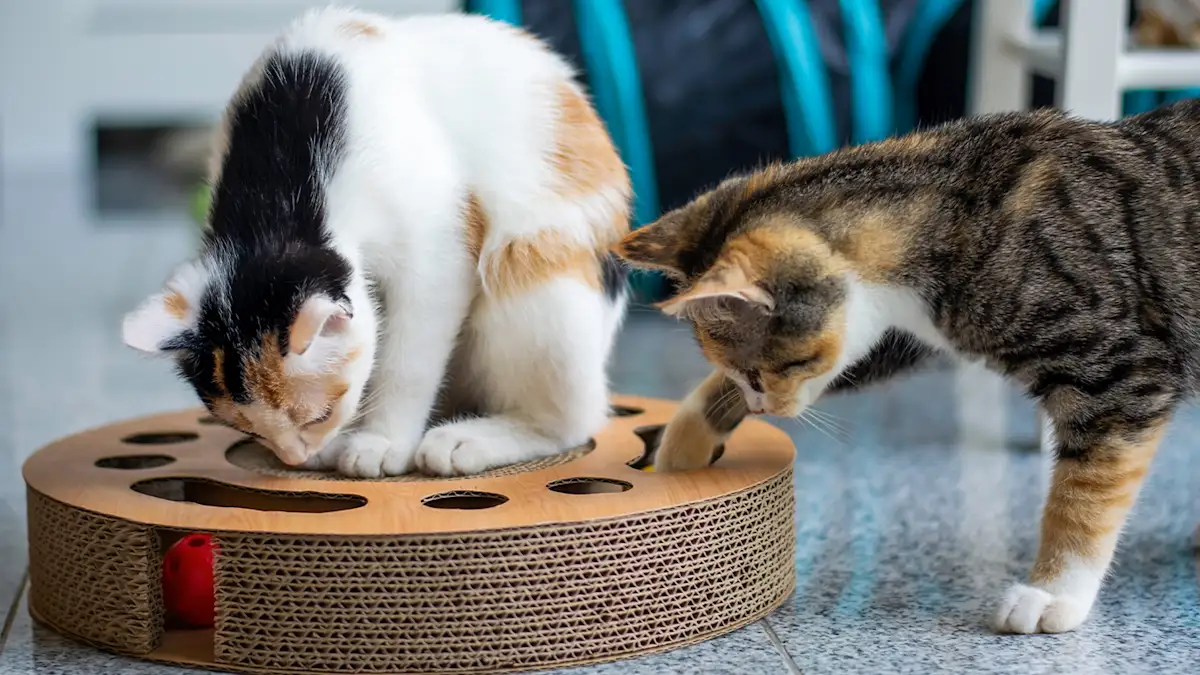
Mental stimulation is equally important. Puzzle toys, training sessions, and new environments all challenge your pet’s brain. A dog that learns a new trick or navigates a puzzle feeder is a dog that is less likely to chew your furniture out of boredom. Ten minutes of focused mental exercise can be as tiring as thirty minutes of physical play.
Grooming: More Than Just Looking Good
Regular grooming is not about vanity. It is a critical component of your pet’s health. Brushing removes loose fur, prevents painful matting, and distributes natural oils that keep the coat shiny and the skin healthy. It also gives you a chance to check for lumps, bumps, parasites, and skin issues that might otherwise go unnoticed.
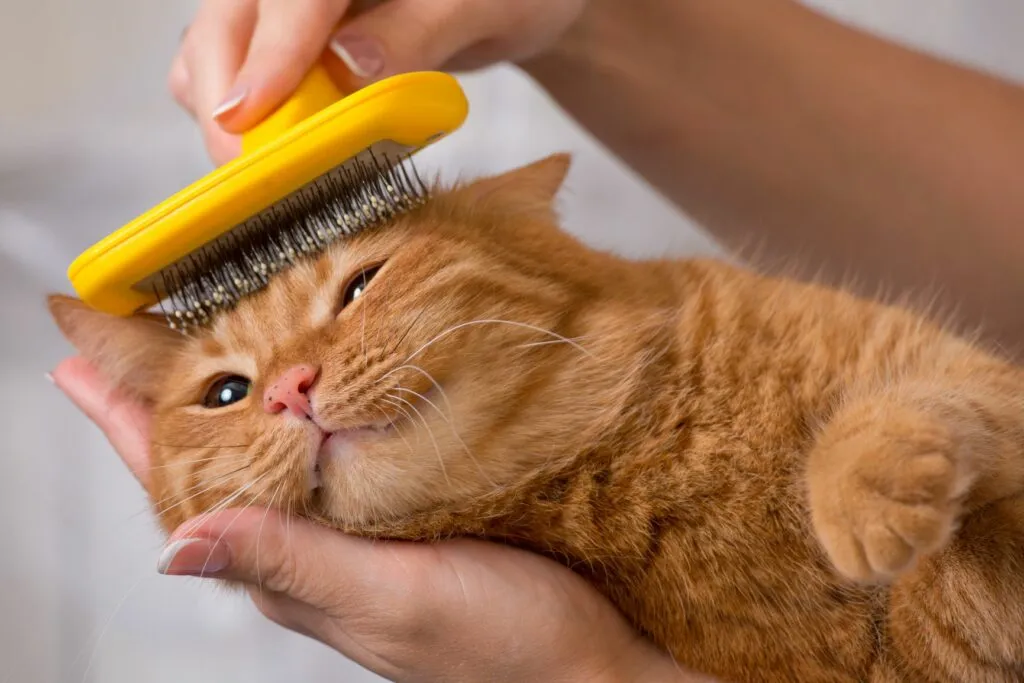
For dogs, brushing frequency depends on coat type. Long-haired breeds like Golden Retrievers or Shih Tzus may need daily brushing, while short-haired breeds like Beagles or Boxers might only need a weekly once-over. Cats generally groom themselves well, but regular brushing, especially for long-haired breeds, reduces hairballs and keeps their coat in top condition.
Bathing should be done as needed, not on a rigid schedule. Over-bathing strips natural oils and can cause dry, itchy skin. Most dogs only need a bath every two to four months unless they roll in something particularly foul. Use a shampoo formulated specifically for pets, as human products can disrupt their skin’s pH balance.
Do not forget the nails. Overgrown nails can cause pain, alter your pet’s gait, and even lead to joint problems over time. If you hear your dog’s nails clicking on the floor, they are too long. Learn to trim them yourself with proper clippers, or schedule regular appointments with a groomer or veterinarian.
Dental Care: The Most Overlooked Health Habit
If there is one area where most pet owners fall short, it is dental care. By the age of three, most dogs and cats show some signs of periodontal disease. Bad breath is not normal. It is often an early warning sign of dental infection that, if left untreated, can lead to tooth loss, gum disease, and even damage to the heart, liver, and kidneys.
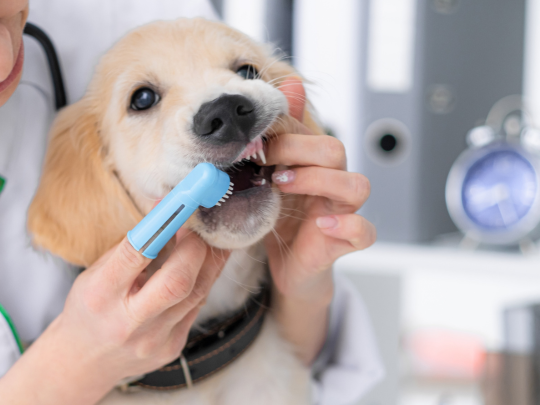
Brushing your pet’s teeth daily is the gold standard. Use a toothbrush and toothpaste designed specifically for pets. Human toothpaste contains ingredients like xylitol that are toxic to animals. Start slowly, letting your pet lick the toothpaste off your finger, then gradually introduce the brush. Even brushing three to four times per week is far better than nothing.
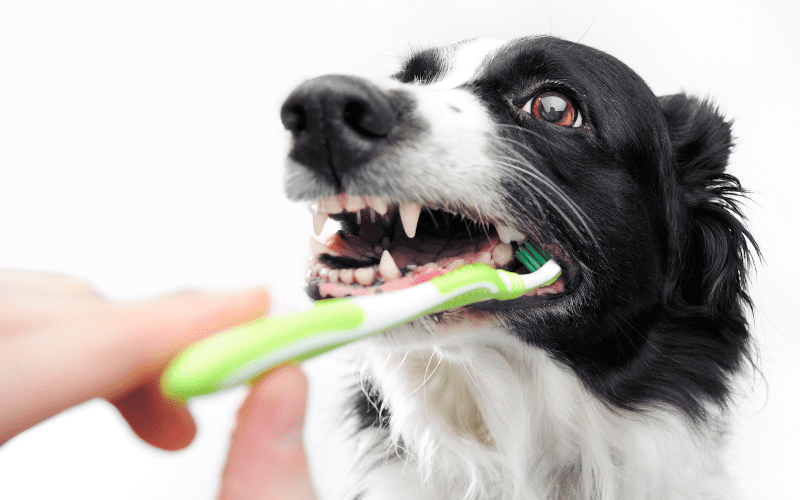
Dental chews and water additives can supplement brushing but should not replace it entirely. Schedule professional dental cleanings with your veterinarian as recommended. Yes, they require anesthesia, and yes, they cost money. But the alternative, untreated dental disease, is far more expensive and painful for your pet in the long run.
Regular Veterinary Care: Prevention Beats Cure
Your veterinarian is your most important partner in pet care. Routine check-ups allow early detection of health issues before they become serious problems. Puppies and kittens need a series of vaccinations to protect against deadly diseases like parvovirus, distemper, and feline leukemia. Adult pets need booster shots, and senior pets benefit from more frequent exams to catch age-related conditions early.
Parasite prevention is another non-negotiable. Fleas, ticks, and heartworm are not just uncomfortable, they can be life-threatening. Use veterinarian-recommended preventatives year-round, even if your pet stays indoors. Mosquitoes, which transmit heartworm, can enter your home, and fleas can hitch a ride on your clothing.
Spaying or neutering your pet prevents unwanted litters and reduces the risk of certain cancers and behavioral issues. Talk to your vet about the right timing for your pet’s breed and size.
Creating a Safe and Comfortable Home Environment
Your home should be a sanctuary for your pet. That means pet-proofing the spaces they access. Keep cleaning chemicals, medications, and toxic plants out of reach. Secure trash cans with lids. Use baby gates to restrict access to dangerous areas like stairs or the garage. And never leave your pet in a parked car, even for a few minutes, temperatures can rise to deadly levels shockingly fast.
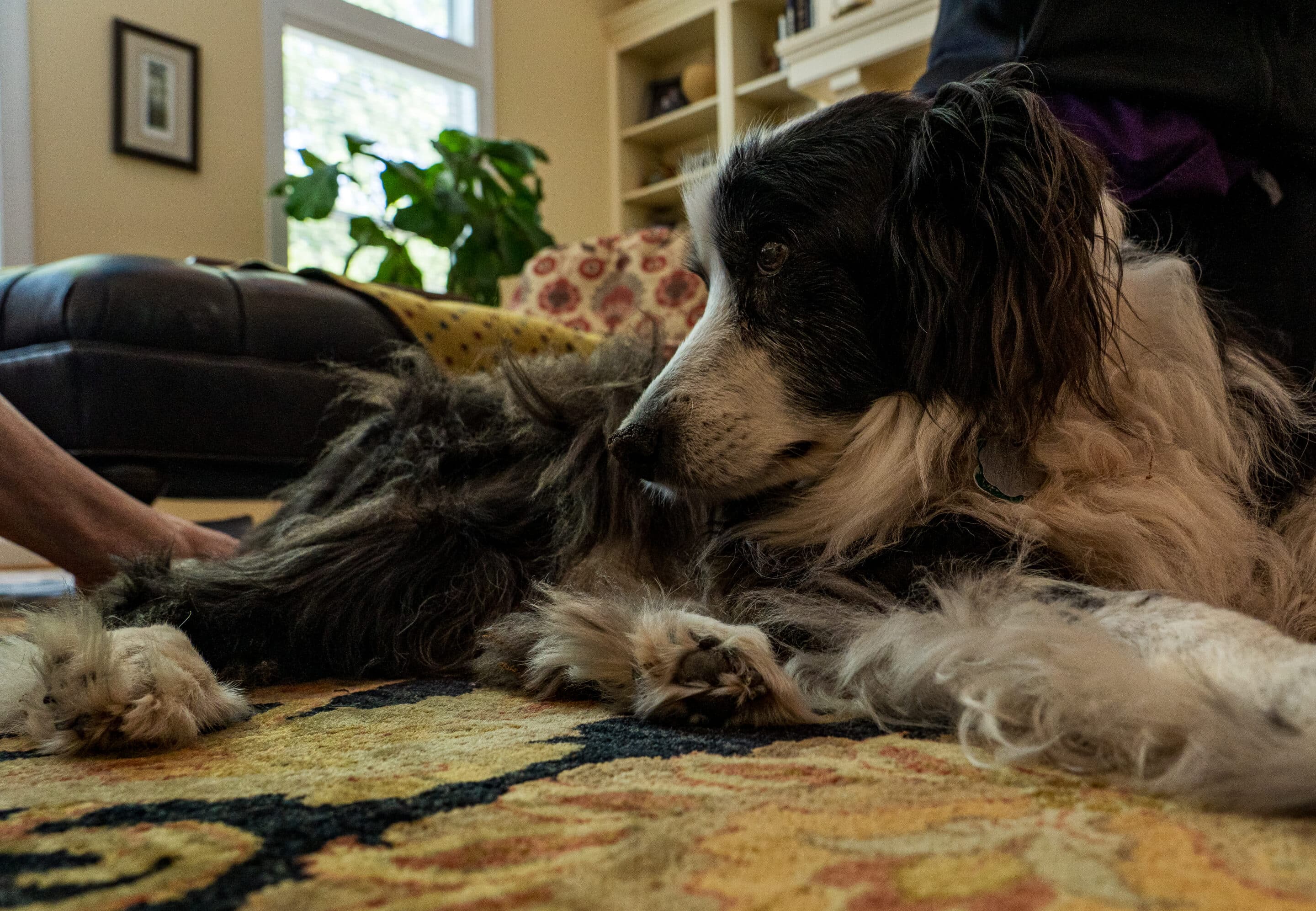
Provide a designated resting area. Dogs often appreciate a crate or a cozy bed in a quiet corner. Cats need elevated perches where they can observe their territory. Small animals like rabbits and guinea pigs need enclosures large enough to move, stretch, and explore comfortably.
Training and Socialization: Building a Confident Companion
A well-trained pet is a happy pet. Basic obedience training, teaching commands like sit, stay, come, and leave it, is not about control. It is about safety and communication. A dog that reliably comes when called is a dog that can enjoy off-leash freedom without putting themselves in danger.
Socialization is equally critical, especially for puppies and kittens. Expose your young pet to different people, animals, environments, sounds, and surfaces in a positive, controlled way. A well-socialized pet grows into a confident adult that handles new experiences without fear or aggression. The socialization window for puppies closes around sixteen weeks, so start early and make every experience positive.
Use positive reinforcement techniques. Reward desired behaviors with treats, praise, or play. Avoid punishment-based methods, which can damage trust and increase anxiety. Training should be a bonding experience, not a battle of wills.
Caring for Senior Pets
As pets age, their needs change. Senior dogs and cats may develop arthritis, vision or hearing loss, dental issues, and cognitive changes. They often need more frequent vet visits, adjusted diets, and modified exercise routines.
Watch for signs of discomfort. Reluctance to climb stairs, stiffness after resting, changes in appetite, or increased vocalization can all signal that your senior pet needs medical attention. Provide orthopedic bedding, raised food bowls for larger breeds, and non-slip surfaces to help them move safely.
Mental engagement remains important for older pets. Gentle puzzle toys, short training refreshers, and quality time together can help keep their minds sharp. Be patient with them. The dog that once ran five miles with you may now be happiest with a slow stroll around the block, and that is perfectly okay.
The Emotional Bond: The Heart of Pet Care
All the nutrition, exercise, and veterinary care in the world cannot replace the simple power of your presence. Pets are social animals. They need your time, your attention, and your affection. A few minutes of focused interaction, whether it is a belly rub, a grooming session, or just sitting together on the couch, strengthens the bond between you and your pet in ways that nothing else can.
Learn to read your pet’s body language. A wagging tail does not always mean happiness. Flattened ears, a tucked tail, or excessive lip licking can signal stress or discomfort. The better you understand what your pet is trying to tell you, the better you can respond to their needs.
Frequently Asked Questions
How often should I take my pet to the veterinarian?
Adult pets should have a wellness exam at least once per year. Senior pets, typically those over seven years old, may benefit from check-ups every six months. Puppies and kittens need more frequent visits for vaccinations and growth monitoring.
What human foods are dangerous for pets?
Chocolate, grapes, raisins, onions, garlic, macadamia nuts, alcohol, caffeine, and anything containing xylitol are toxic to pets. When in doubt, stick to pet-specific treats.
How much exercise does my dog really need?
It depends on breed, age, and health. Most adult dogs need at least thirty minutes to two hours of physical activity per day. High-energy breeds may need significantly more. Consult your veterinarian for personalized guidance.
Is it okay to feed my pet table scraps?
It is best to avoid table scraps. Many human foods are too high in fat, salt, and calories for pets. Additionally, feeding from the table encourages begging and can lead to obesity and digestive upset.
How can I tell if my pet is overweight?
You should be able to feel your pet’s ribs without pressing hard, and they should have a visible waistline when viewed from above. If you are unsure, ask your veterinarian to assess your pet’s body condition score.
Do indoor cats really need parasite prevention?
Yes. Indoor cats can still be exposed to fleas, ticks, and heartworm through open windows, other pets, or even your clothing. Year-round prevention is the safest approach.
When should I start training my puppy?
Training can begin as early as eight weeks old. Start with simple commands and focus on positive reinforcement. Early socialization and training set the foundation for a well-adjusted adult dog.
How do I know if my pet is in pain?
Signs of pain in pets include limping, reluctance to move, changes in appetite, excessive licking of a specific area, vocalization, and behavioral changes like increased aggression or withdrawal. If you suspect your pet is in pain, contact your veterinarian promptly.