I used to believe that a “good lifestyle” meant waking up at five in the morning, drinking an elaborate green smoothie, doing a sixty-minute workout, and maintaining a perfectly curated home that looked like it belonged in a magazine. I tried that routine for three months. I was exhausted, anxious, and somehow felt worse about myself than when I started. It took me years to realize that lifestyle is not about performing perfection. It is about building a daily rhythm that supports your energy, your relationships, and your peace of mind without draining your soul.
If you have ever felt overwhelmed by the pressure to overhaul your entire existence, this guide is for you. A sustainable lifestyle is not built on extremes. It is built on small, intentional choices that compound over time into something that genuinely feels good. Let us walk through the practical pillars that can help you create a life you do not need to escape from.
What Lifestyle Really Means (Hint: It Is Not Instagram)
Social media has turned lifestyle into a visual aesthetic. But the truth is, your lifestyle is simply the collection of habits, routines, and choices that shape how you feel day to day. It is what you eat when nobody is watching. It is how you speak to yourself when a plan falls through. It is whether you go to bed feeling satisfied or depleted.
A meaningful lifestyle prioritizes function over appearance. It asks: Do I have enough energy to get through my day? Do I feel connected to the people I love? Am I making choices that align with what I actually value? When you shift your focus from looking good to feeling good, everything changes. The goal is not to impress anyone. The goal is to build a life that sustains you.
Start Your Day With Intention, Not Intensity
The way you begin your morning often sets the emotional tone for your entire day. But that does not mean you need a complicated ritual. I used to scroll through my phone before my feet even hit the floor, and I would start every day feeling behind before I had accomplished anything. Now, I keep my phone out of reach for the first thirty minutes after waking.
A simple morning routine that actually works might look like this:
-
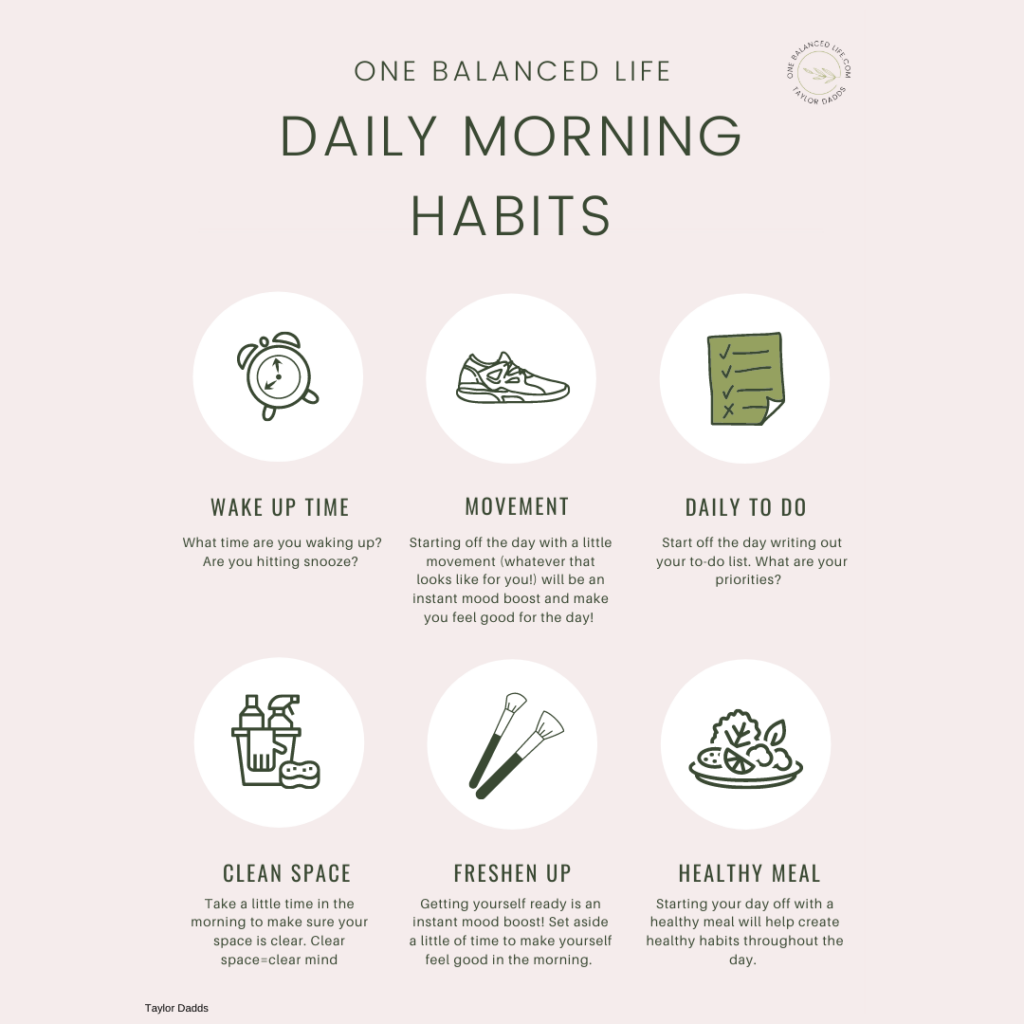
Drink a full glass of water before caffeine. Your body has gone eight hours without hydration, and water can help wake up your system naturally.
-
Move your body gently. That might be stretching, a short walk around the block, or five minutes of deep breathing. You do not need a gym membership to feel more awake.
-
Write down one priority for the day. Not a to-do list of fifteen items. Just one thing that, if completed, would make the day feel worthwhile.
These small actions create a sense of control and calm that often carries through the afternoon. Research suggests that even brief morning movement can improve mood and cognitive function throughout the day.
Create a Home That Supports Your Mental Health
Your physical environment has a direct impact on your mental state. I used to think I was just a messy person until I realized that clutter was actually increasing my anxiety. Every pile of unread mail, every overflowing closet, every junk drawer I was afraid to open was quietly draining my energy.
Decluttering does not mean becoming a minimalist overnight. It means being honest about what you use and what you need. Start with one area that frustrates you daily. Maybe it is your kitchen counter or your nightstand. Remove everything that does not belong there, and create a simple system to keep it clear.
A few practical tips that helped me:
-
Adopt the “one in, one out” rule. When you bring something new into your home, donate or discard something old.
-
Keep surfaces clear. Flat surfaces attract clutter like magnets, so make it a habit to reset them every evening.
-
Store items where you actually use them. If your keys always end up on the dining table, put a hook there instead of by the front door.
A calmer home often leads to a calmer mind. You may notice that you sleep better and feel less overwhelmed when your space supports you instead of working against you.
Nourish Your Body Without Making It a Full-Time Job
Healthy eating does not require perfection, and it definitely does not require an all-or-nothing mindset. I spent years bouncing between strict diets and emotional eating until I learned that the most sustainable approach is simply eating real food most of the time.

Focus on adding rather than restricting. Add an extra serving of vegetables to your dinner. Add a handful of nuts to your afternoon snack. Add a piece of fruit to your breakfast. When you crowd your plate with nourishing foods, there is naturally less room for the processed options that leave you feeling sluggish.
Meal planning can help reduce daily decision fatigue. You do not need to prep every meal for the week. Even planning three or four dinners and keeping healthy snacks on hand can make a significant difference. Choose whole foods when possible, stay hydrated, and remember that one imperfect meal does not undo a week of good choices.
Move Your Body Because It Feels Good, Not Because You Hate It
Exercise is one of the most powerful tools for improving both physical and mental health, but only if you actually stick with it. The biggest mistake I see people make is choosing workouts they dread. If you hate running, do not run. If the gym intimidates you, stay home.

Find movement that feels like a relief, not a punishment. That might be dancing in your living room, hiking a local trail, swimming, yoga, or playing a sport with friends. The best exercise is the one you will repeat consistently. Even thirty minutes of moderate activity most days of the week can help support cardiovascular health, improve sleep quality, and boost your mood.
Start small. A ten-minute walk after lunch counts. Stretching before bed counts. The goal is to build a relationship with movement that feels sustainable and enjoyable, not to punish yourself for what you ate.
Protect Your Mental Energy in a Digital World
We live in an era of constant connectivity, and it is taking a toll. The average person checks their phone dozens of times per day, often without conscious awareness. This habit fragments our attention, increases anxiety, and leaves us feeling like we are never fully present anywhere.
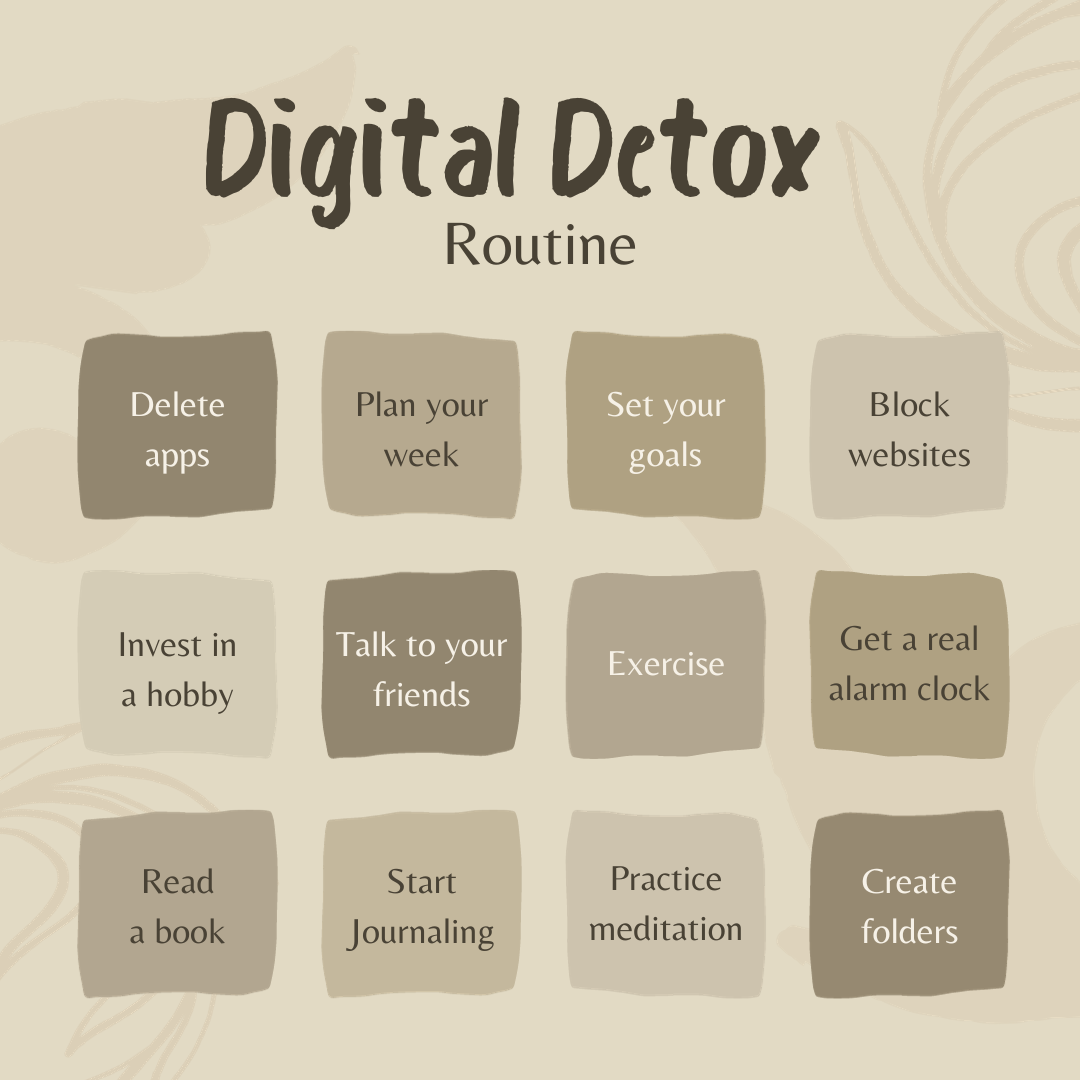
Creating boundaries with technology is not about going off the grid. It is about using your devices intentionally rather than letting them use you. Try these practical strategies:
-
Remove social media apps from your home screen. Adding even a small amount of friction can disrupt the automatic scrolling habit.
-
Set a “digital sunset” one hour before bed. The blue light from screens can interfere with your body’s natural sleep signals.
-
Turn off non-essential notifications. You do not need to know immediately when someone likes your photo or comments on a post.
-
Designate tech-free zones. The dinner table and the bedroom are great places to start.
When you reclaim your attention from your devices, you often reclaim your peace of mind as well.
Invest in Relationships That Fill Your Cup
Human beings are wired for connection. No amount of personal optimization can replace the warmth of a meaningful conversation or the comfort of knowing someone has your back. Yet in our busy lives, relationships are often the first thing we neglect.
Make a conscious effort to nurture your connections. Schedule regular phone calls with long-distance friends. Have dinner with your family without phones at the table. Be present when someone is talking to you instead of mentally planning your response. Small acts of attention and care build trust and deepen bonds over time.
It is also worth evaluating which relationships drain you. Not every connection is meant to last forever, and it is okay to create distance from people who consistently leave you feeling depleted. Protecting your emotional energy is a form of self-respect.
Treat Sleep as a Non-Negotiable Foundation
If there is one lifestyle change that delivers the highest return on investment, it is prioritizing sleep. I used to wear my exhaustion like a badge of honor, bragging about how little rest I needed. Then I noticed that my creativity, patience, and decision-making all suffered when I was sleep-deprived.
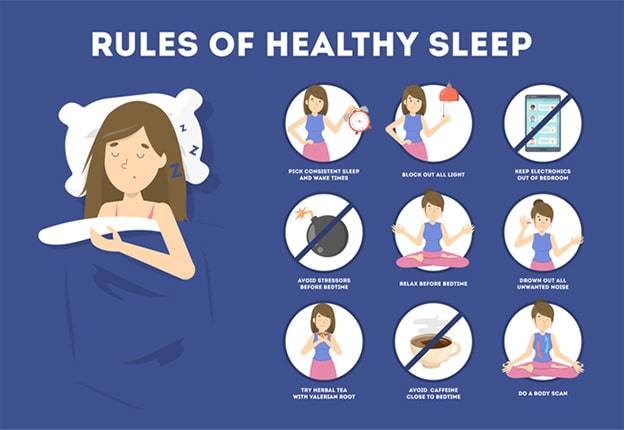
Most adults need between seven and nine hours of sleep per night. Quality matters just as much as quantity. To improve your sleep hygiene, try to go to bed and wake up at consistent times, even on weekends. Keep your bedroom cool, dark, and quiet. Avoid heavy meals and caffeine in the evening. And please, keep your phone out of the bedroom or at least across the room.
When you sleep well, you think more clearly, manage stress more effectively, and have more patience for the people around you. Sleep is not lazy. It is essential maintenance for your brain and body.
Small Changes Create a Life You Love
The most transformative lifestyle shifts are rarely dramatic. They are quiet. They are the decision to go to bed on time instead of binge-watching another episode. They are the choice to take a walk instead of scrolling through your phone. They are the moment you pause before reacting and choose kindness instead.
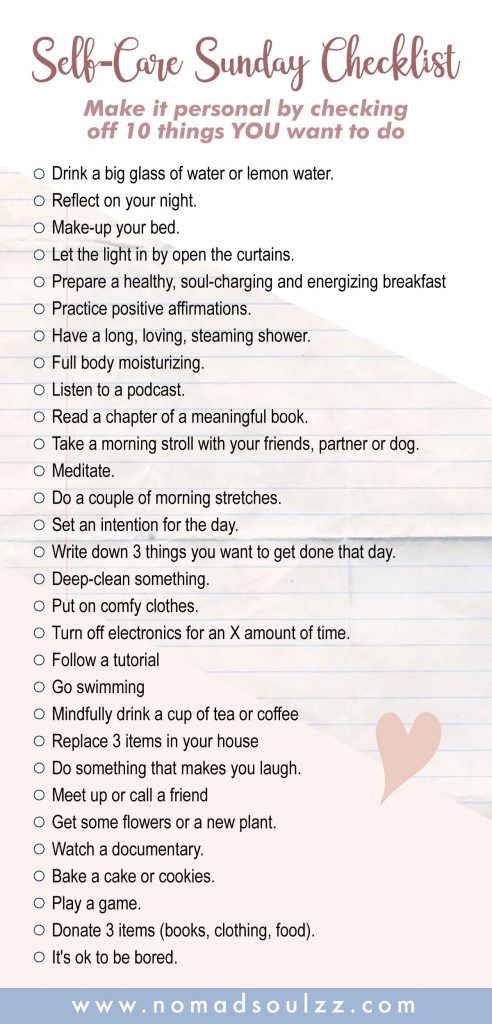
You do not need to change everything at once. Pick one area that feels most urgent right now. Maybe it is your sleep. Maybe it is your morning routine. Maybe it is the clutter in your home. Start there. Build one habit until it feels automatic, then add another. Over time, these small changes stack into a lifestyle that feels aligned, sustainable, and genuinely good.
Remember, lifestyle is not a destination. It is a daily practice of showing up for yourself with care and consistency. You are allowed to be imperfect. You are allowed to have messy days. What matters is that you keep returning to the choices that support your well-being.
Frequently Asked Questions
How long does it take to build a new lifestyle habit?
Most research suggests that habits take anywhere from three weeks to two months to become automatic, depending on the complexity of the behavior and how consistently you practice it. Start with one small change and repeat it daily.
Do I need to follow a strict routine to have a healthy lifestyle?
No. Rigid routines often backfire. A healthy lifestyle is flexible and adapts to your season of life. Focus on principles like good sleep, nourishing food, regular movement, and meaningful connection rather than a minute-by-minute schedule.
What is the easiest way to start improving my lifestyle today?
Drink more water, go to bed thirty minutes earlier, and take a ten-minute walk. These three actions alone can improve your energy, mood, and sleep quality within a week.
How do I stay motivated when I slip up?
Progress is not linear. One off day does not erase weeks of good choices. The key is to respond with compassion instead of criticism. Ask yourself what you need right now, and get back on track with your next meal, your next morning, or your next workout.
Can a better lifestyle really improve mental health?
Yes. Regular movement, quality sleep, social connection, and reduced digital overwhelm are all linked to lower levels of anxiety and depression. While lifestyle changes are not a replacement for professional mental health care, they can be a powerful supportive foundation.
What if I do not have time for self-care?
Self-care does not need to be time-consuming. It can be as simple as five minutes of deep breathing, a quick walk around the block, or saying no to one obligation that drains you. Small moments of care add up over time.
Is it okay to have takeout or skip a workout?
Absolutely. A healthy lifestyle includes balance and enjoyment. Perfection is not the goal. Consistency over time matters far more than any single choice.