
I still remember the first time I tried to cook dinner for my family. I was twenty-three, standing in front of a stove with a smoking pan, raw chicken that I was terrified to undercook, and a sauce that had separated into an oily mess. I had followed the recipe—or so I thought—but the meal was barely edible. That night, I felt defeated. But looking back, that disaster was the best thing that ever happened to my relationship with food and cooking. It forced me to stop treating recipes like magic spells and start understanding the why behind every step.
If you have ever felt that same frustration, you are not alone. Millions of people want to cook better at home but get stuck in a cycle of boring meals, expensive takeout, or failed recipes that shake their confidence. The truth is, home cooking is not about being born with some special talent. It is a skill set that anyone can build with the right approach, a little patience, and a willingness to learn from mistakes. This guide will walk you through the practical fundamentals that transformed my kitchen from a place of stress into a space of creativity and nourishment.
Why Home Cooking Deserves Your Time
We live in an era of convenience where a hot meal can arrive at our door in thirty minutes. So why bother cooking at home? Beyond the obvious savings on your budget, preparing your own food gives you control over what goes into your body. When you cook, you decide the quality of your ingredients, the amount of salt and oil, and the portion sizes. Over time, this can help you develop healthier eating patterns that stick.

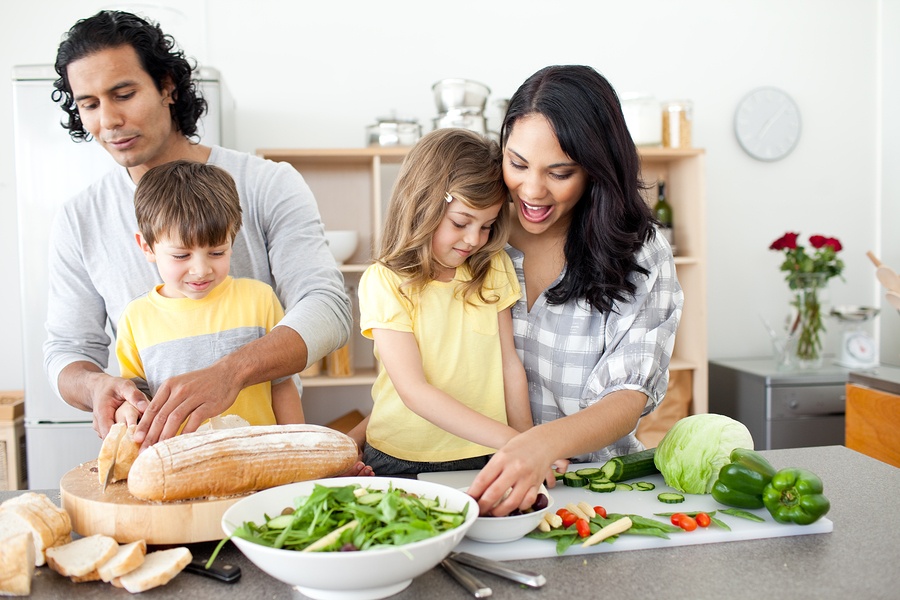
But the benefits go deeper than nutrition. There is something deeply satisfying about feeding the people you love with your own hands. The smell of garlic hitting a warm pan, the sound of a knife rhythmically chopping vegetables, the moment when a sauce comes together and coats the back of a spoon—these sensory experiences ground you in the present moment. Cooking can become a form of self-care and a way to connect with family and friends around the dinner table.
Setting Up Your Kitchen for Success
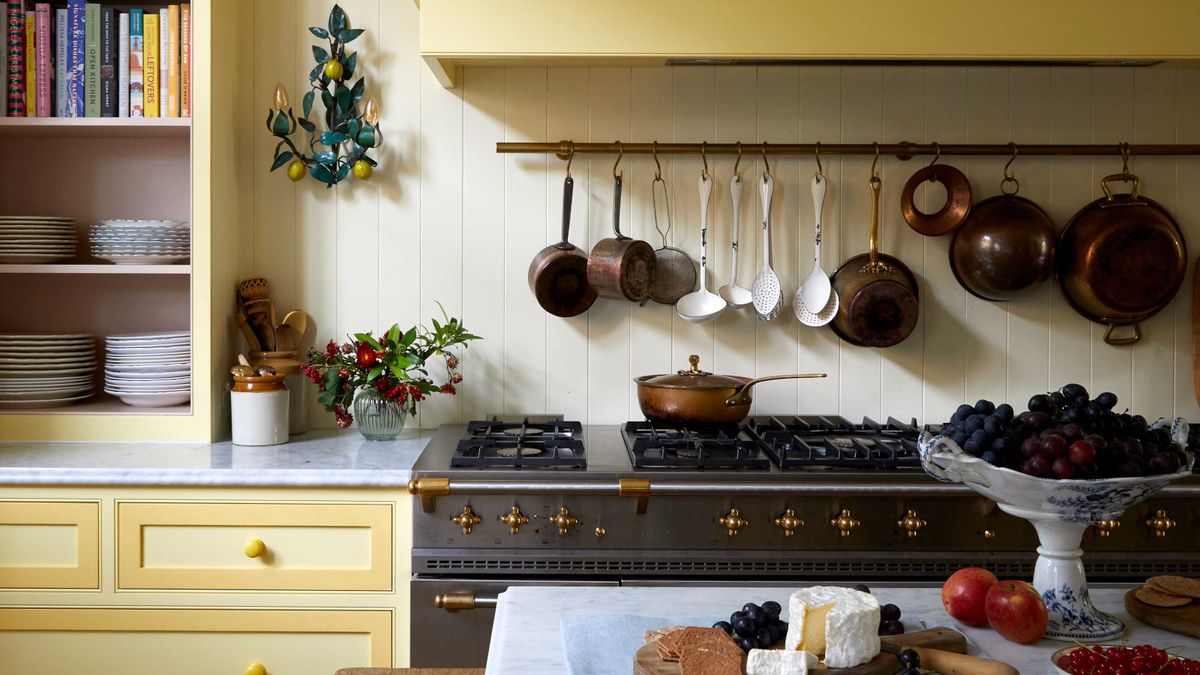
Before you worry about mastering complex recipes, you need a workspace that supports you. A cluttered, disorganized kitchen will drain your energy before you even turn on the burner. Start by decluttering your countertops. Keep only the tools you use weekly within arm’s reach. Store your spices in a single location where you can see every label at a glance. A clean, organized environment reduces decision fatigue and makes the process feel enjoyable rather than overwhelming.
The Tools That Actually Matter
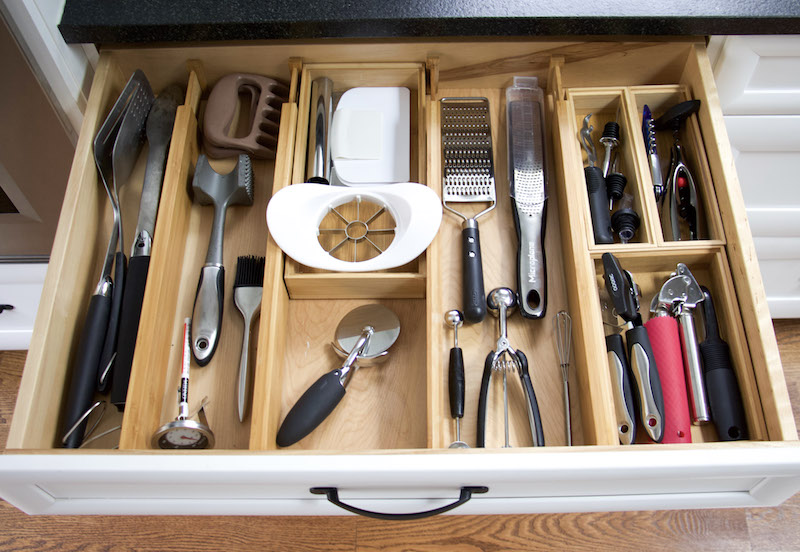
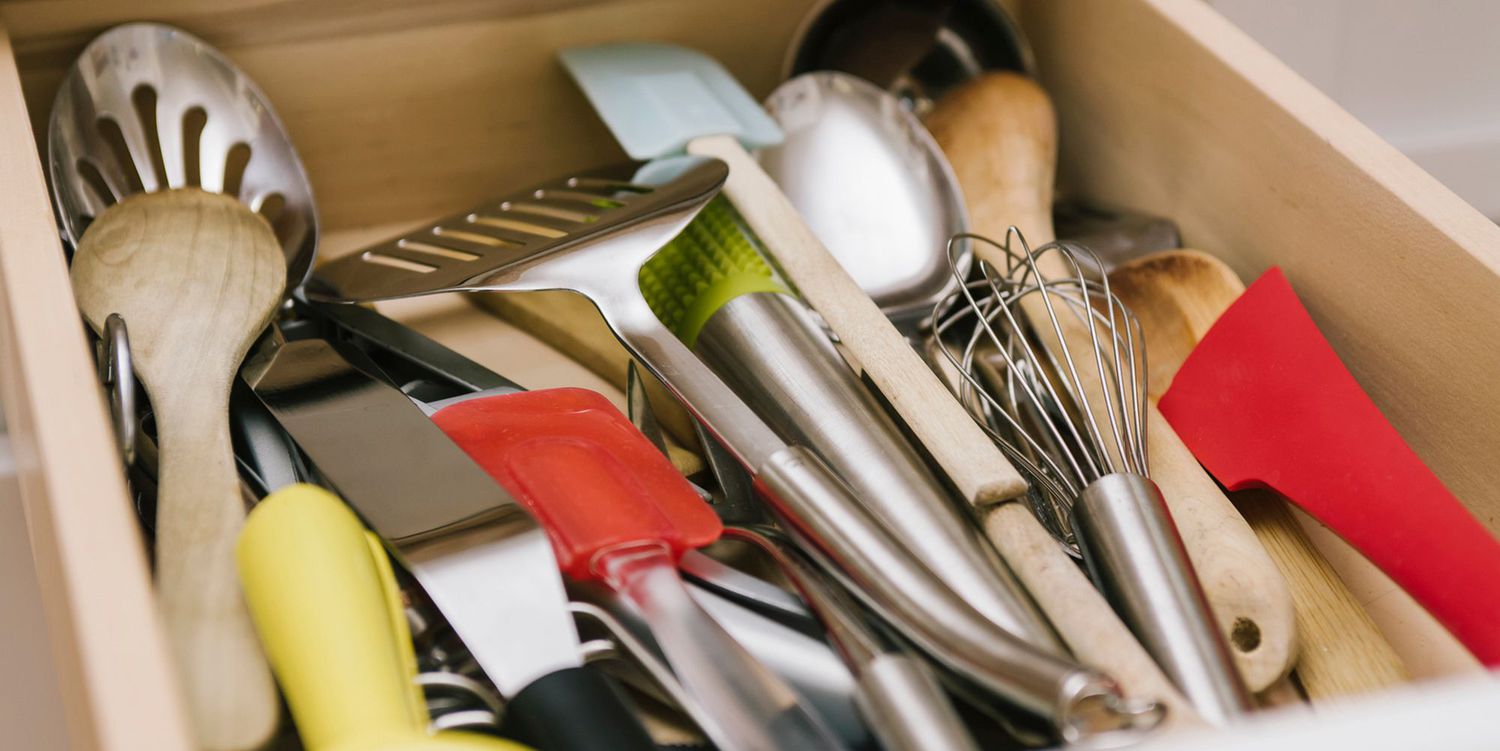
You do not need a kitchen full of gadgets to cook well. In fact, too many tools can confuse beginners. Focus on a few quality essentials:
-
One sharp chef’s knife: This is your most important tool. A dull knife is not just inefficient—it is dangerous because it requires more force and can slip easily.
-
A sturdy cutting board: Choose a large wooden or plastic board that gives you plenty of room to work safely.
-
A heavy-bottomed skillet: Whether cast iron or stainless steel, a pan that holds heat evenly will improve your results dramatically.
-
A medium saucepan with a lid: Perfect for rice, sauces, and boiling eggs.
-
Wooden spoons and a pair of tongs: Gentle on your pans and versatile for stirring, flipping, and tasting.
Master the Basics: Techniques That Change Everything
Once your space is ready, it is time to focus on technique. The difference between a home cook who struggles and one who thrives often comes down to a handful of foundational skills. These are not fancy restaurant tricks. They are simple habits that, once internalized, make every recipe easier.
Knife Skills: The Foundation of Everything
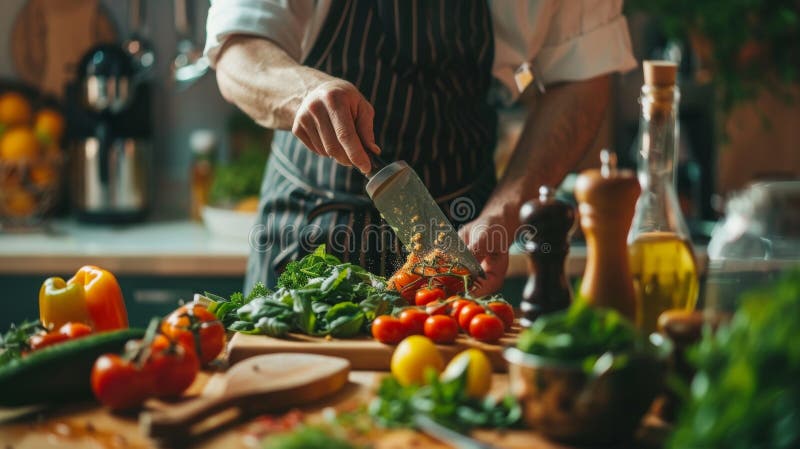
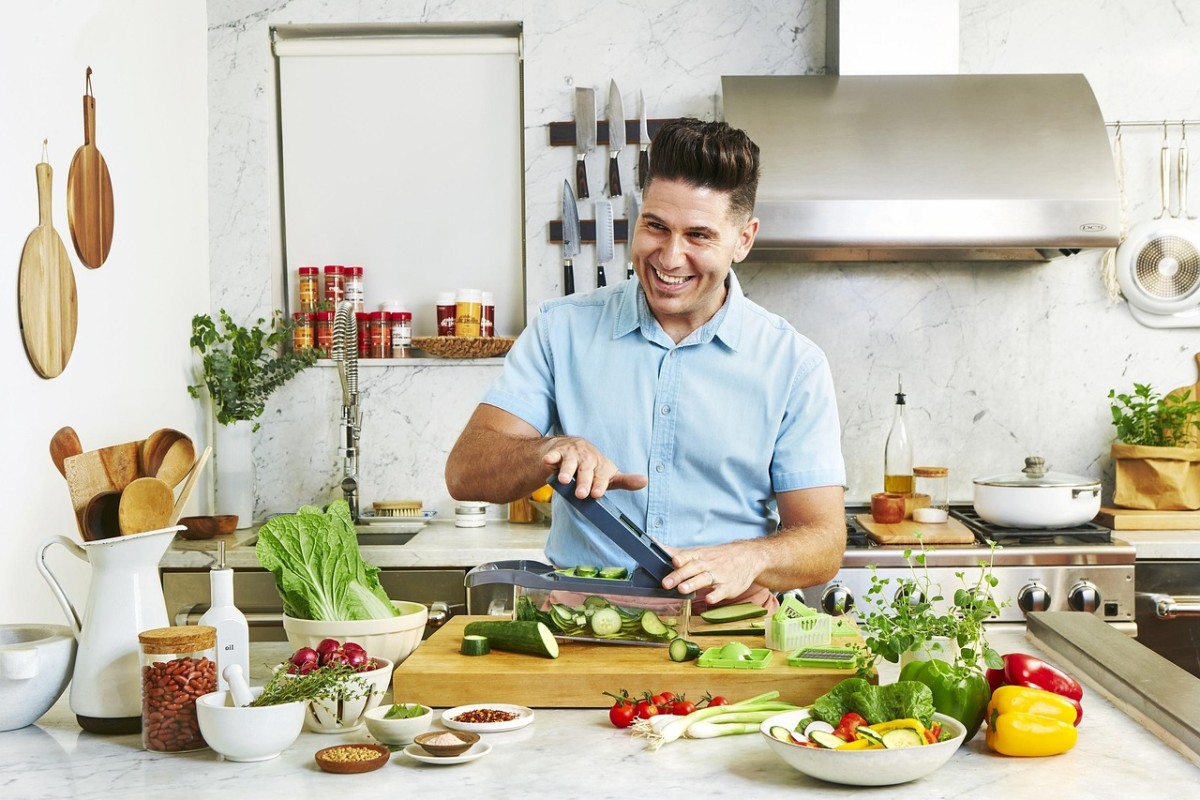
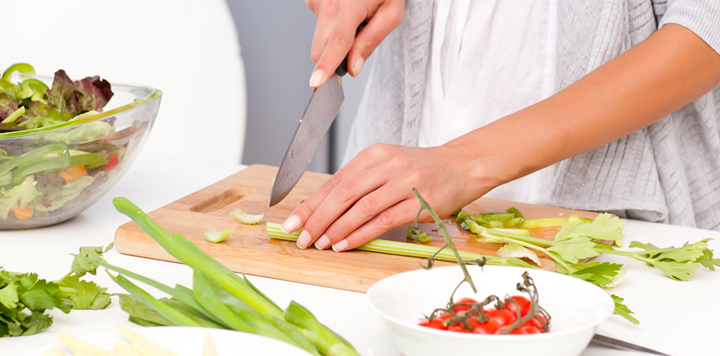
If you only improve one thing this month, make it your knife work. Uniform cuts cook evenly, look more appealing, and actually taste better because the surface area of each piece is consistent. Learn the basic grips first. Hold the knife by pinching the blade where it meets the handle, wrapping your remaining fingers around the handle. Your other hand should guide the food with fingertips curled under, using your knuckles as a guide for the blade.
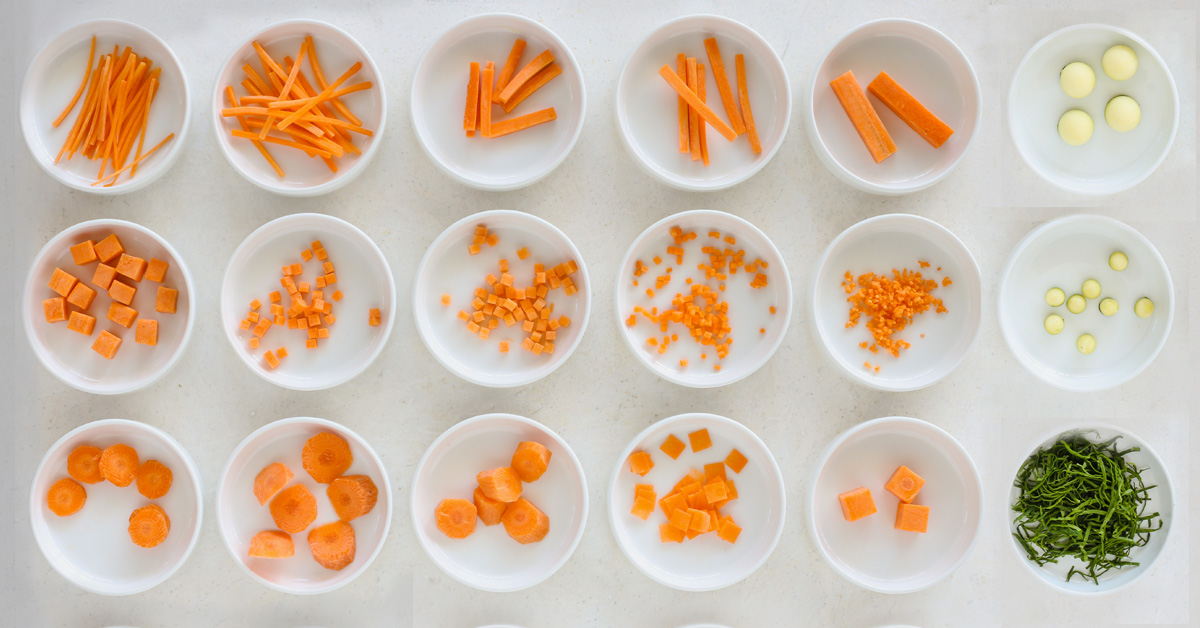
Practice three essential cuts:
-
The dice: Square pieces roughly half an inch in size. Great for onions, potatoes, and bell peppers.
-
The mince: Very fine pieces, usually reserved for garlic, ginger, and herbs.
-
The chiffonade: Thin ribbons of leafy greens like basil or spinach, achieved by stacking leaves, rolling them tightly, and slicing across.
Start slowly. Speed comes naturally once your muscles memorize the motion. And please, keep that knife sharp. A quick honing before each use makes a world of difference.
Understanding Heat: The Invisible Ingredient
Heat is the single most misunderstood element in home cooking. Many beginners crank the burner to high, thinking faster is better. In reality, most food benefits from moderate, controlled heat. High temperatures are useful for searing steaks or boiling water, but they can burn garlic, scorch sauces, and turn delicate proteins rubbery.
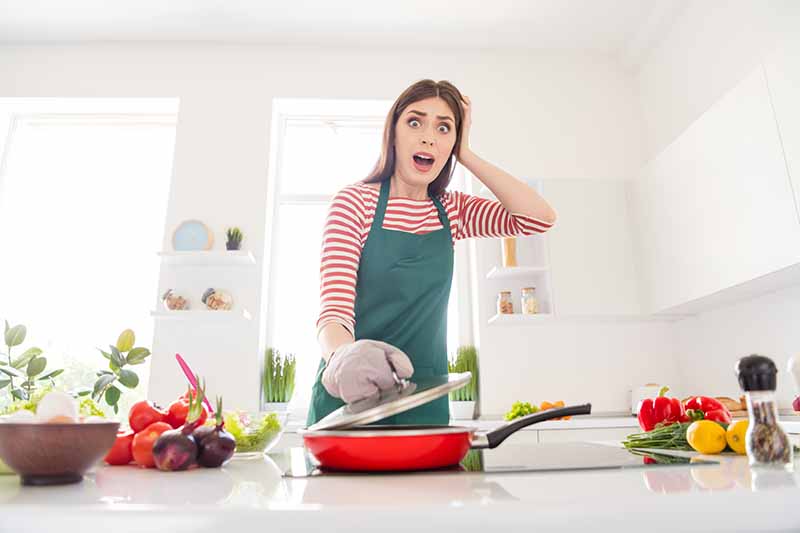
Learn to match your heat level to the task:
-
High heat: Best for boiling water, searing meat, and stir-frying small pieces of food quickly.
-
Medium heat: Ideal for sautéing vegetables, cooking pancakes, and simmering sauces.
-
Low heat: Perfect for melting butter, poaching eggs, and gently warming leftovers without drying them out.
A good habit is to preheat your pan for a minute or two before adding oil. When the oil shimmers slightly, it is ready. If it starts smoking, it is too hot, and you should pull the pan off the heat for a moment.

The Art of Seasoning: Taste as You Go
The most common complaint about home cooking is that food tastes bland. Usually, the problem is not a lack of skill but a lack of salt added at the right time. Salt does more than make food salty; it amplifies the natural flavors of ingredients. The key is to season in layers rather than dumping all your salt in at the end.
As you cook, taste frequently. Add a pinch of salt when you add onions to the pan. Add another pinch when you add your main protein. Finish with a final adjustment just before serving. This layering creates depth. Beyond salt, learn to balance flavors with acid. A squeeze of lemon juice or a splash of vinegar at the end of cooking can brighten an entire dish and make it taste more expensive than it is.
Common Cooking Mistakes (and How to Fix Them)
Even experienced cooks make mistakes. The difference is knowing how to recover. Here are the errors I see most often—and the simple fixes that save dinner.
Overcrowding the pan is perhaps the biggest culprit behind soggy, gray food. When you pile too much chicken or too many vegetables into a skillet, the temperature drops. Instead of browning, your food steams in its own juices. Cook in batches if necessary. Give every piece room to breathe, and you will get that beautiful golden crust.
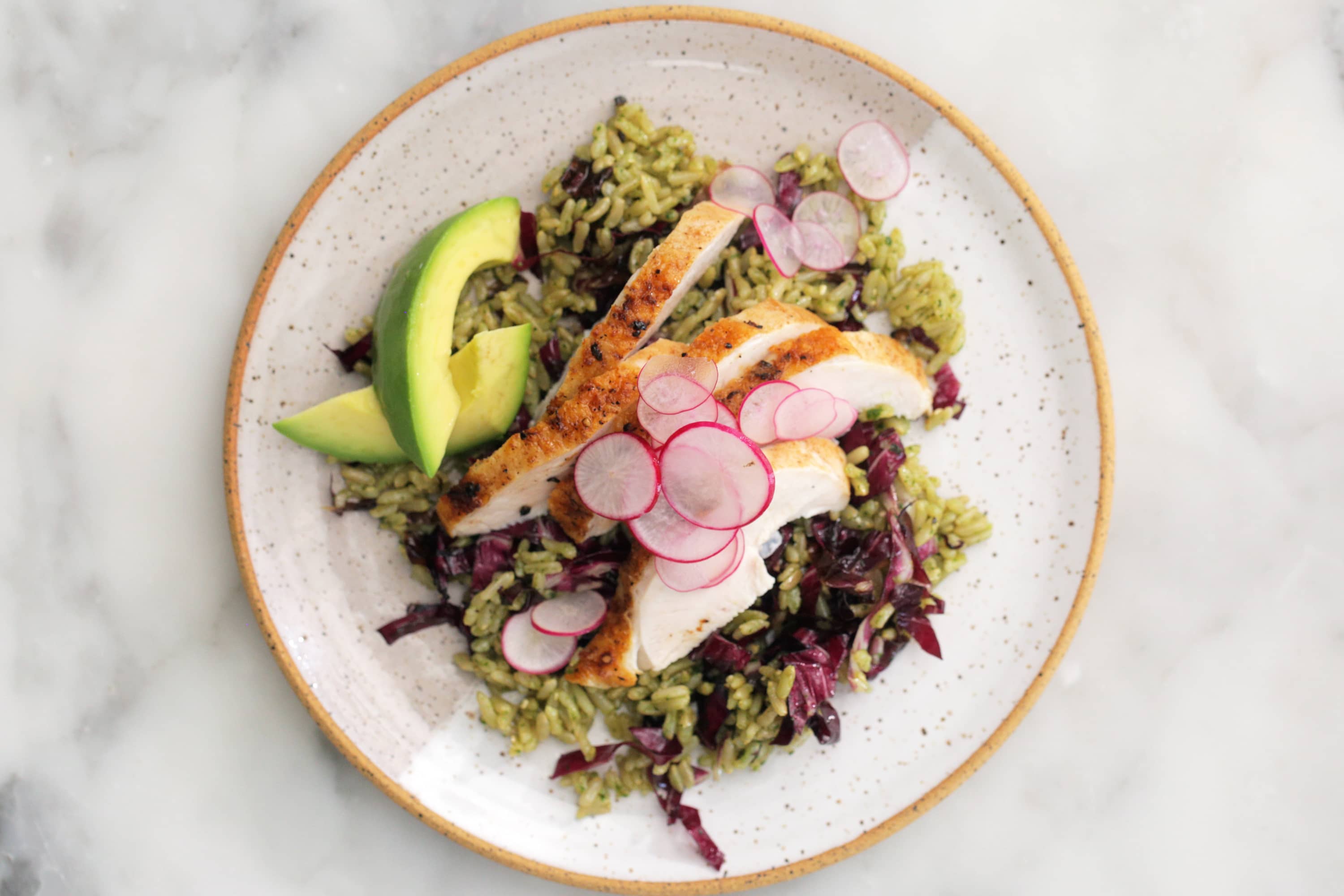
Flipping meat too early is another classic mistake. Meat sticks to the pan when it is not ready to be turned. If you try to lift a chicken breast and it resists, stop. Wait another minute. When the Maillard reaction has done its work, the meat will release naturally. Patience here rewards you with better texture and deeper flavor.
Adding garlic too soon can ruin an otherwise perfect dish. Garlic burns in seconds and becomes bitter. Always add it after your onions or aromatics have softened. Cook it for just sixty to ninety seconds until fragrant, then move on to the next step.
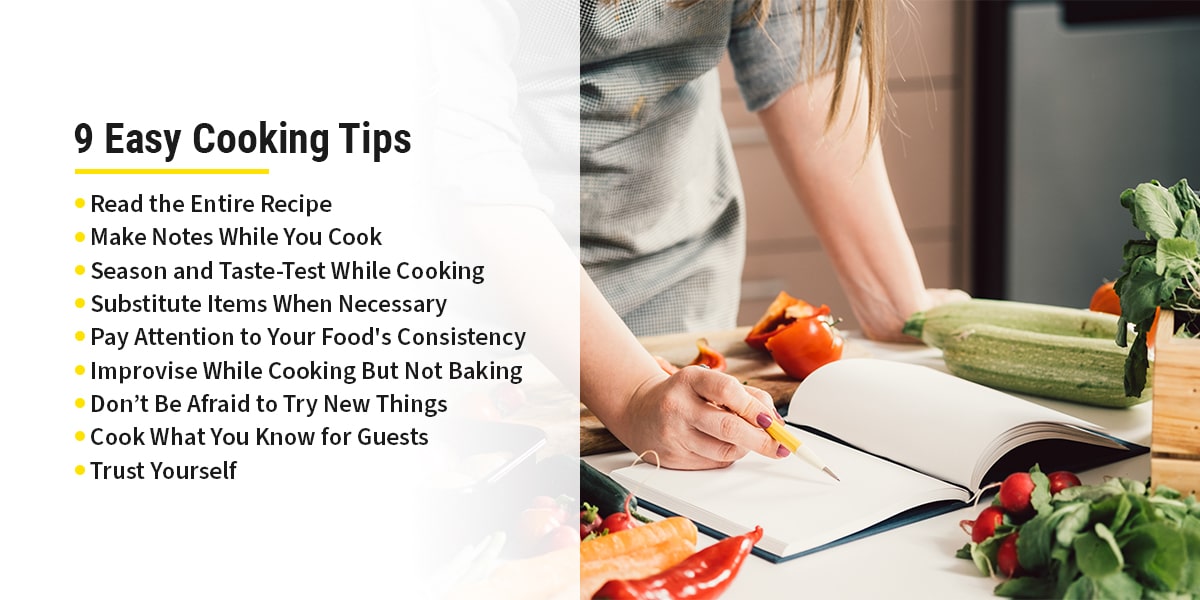
Finally, not reading the entire recipe before starting leads to mid-cooking panic. You do not want to discover that your sauce needs to simmer for two hours when everyone is already hungry. Read twice, cook once.
Smart Meal Planning and Grocery Shopping
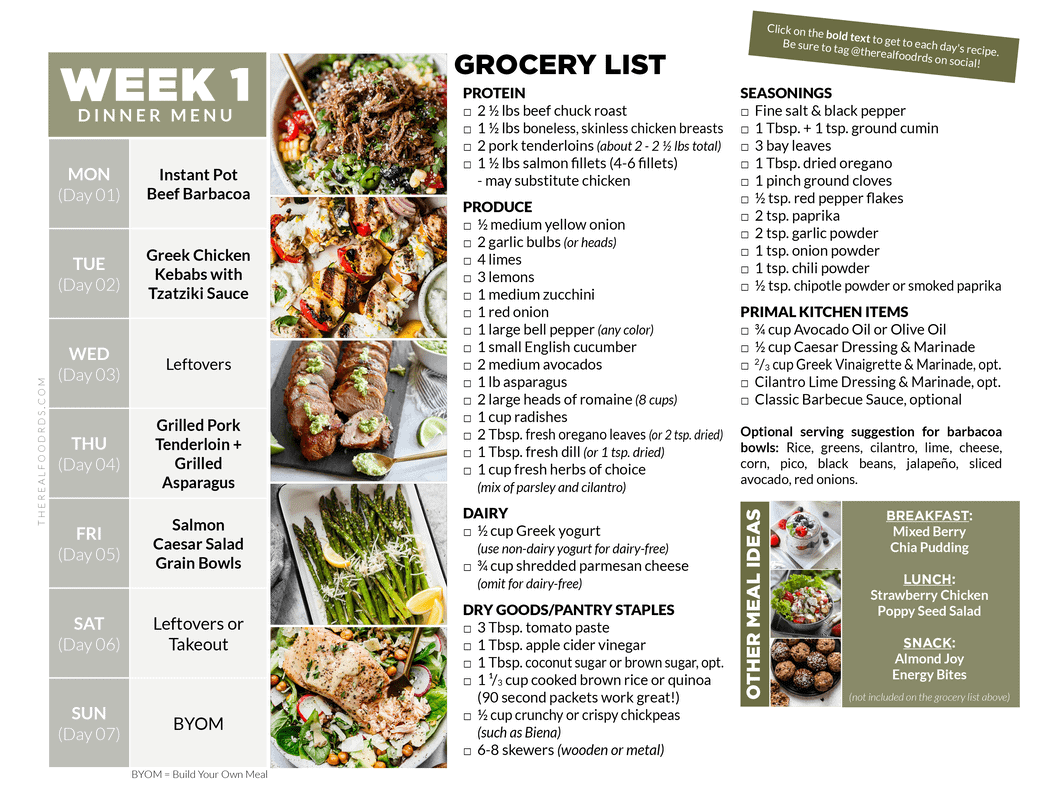
Cooking becomes infinitely easier when you stop deciding what to make at five o’clock every evening. A simple meal plan removes the daily decision-making stress and helps you shop more efficiently. I like to plan three to four dinners per week rather than seven. This leaves room for leftovers, unexpected cravings, and the occasional restaurant treat.
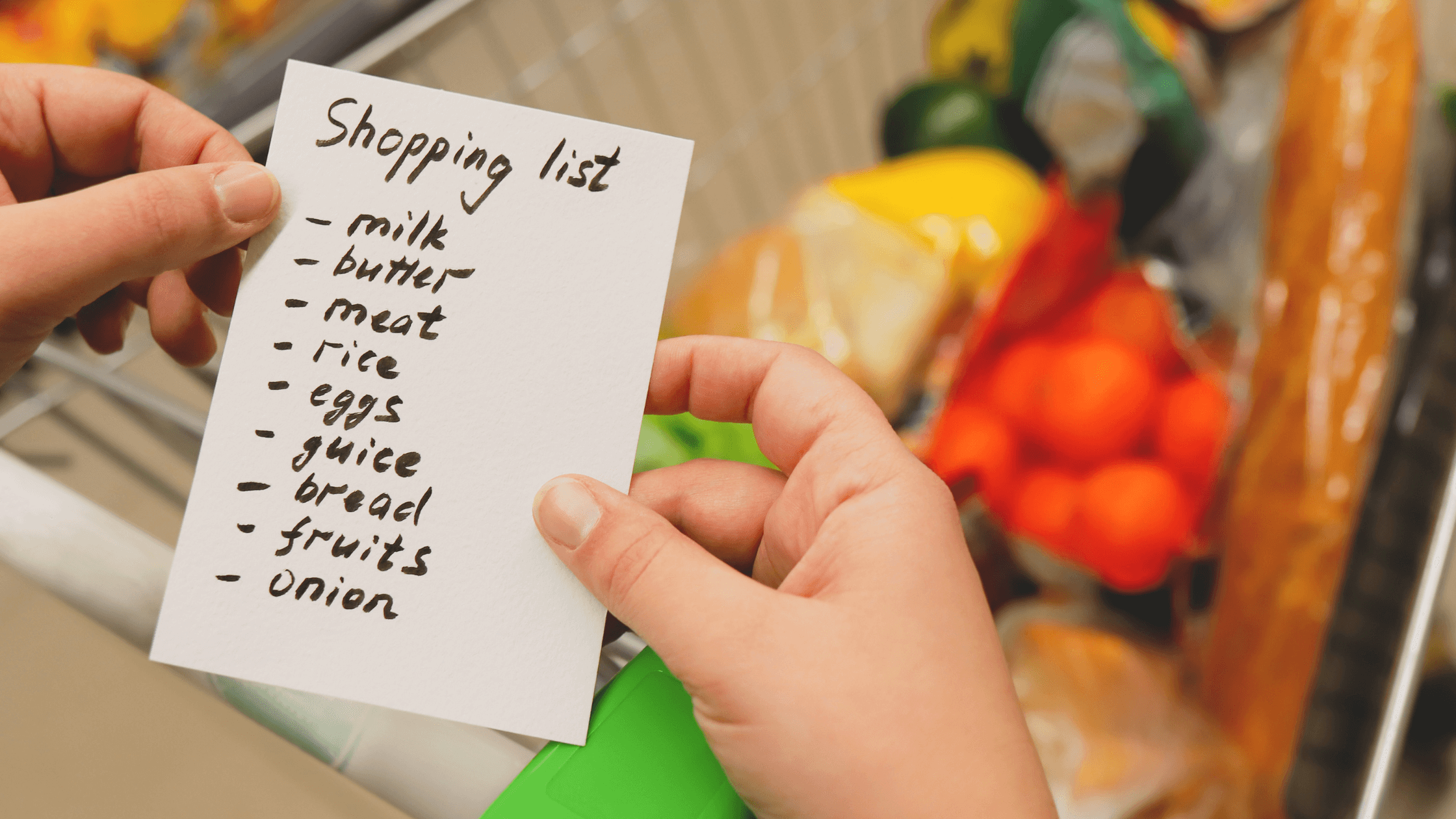
When you shop with a list, you buy less junk and waste less food. Organize your list by store sections—produce, proteins, pantry—to avoid backtracking. Look for seasonal ingredients; they are often cheaper and taste better. Do not be afraid of frozen vegetables, either. They are flash-frozen at peak ripeness and can be a lifesaver on busy nights.
Building Confidence One Meal at a Time
Confidence in the kitchen does not come from reading cookbooks. It comes from repetition. Start with simple recipes that use five to seven ingredients. Master a basic roasted chicken. Learn to make a simple vinaigrette. Once you can execute a dish without looking at the recipe, you have internalized a technique.
From there, begin experimenting. Swap thyme for rosemary. Add a pinch of red pepper flakes. Cooking is forgiving, and most mistakes are recoverable. If a soup is too salty, add a diced potato to absorb some of the saltiness. If a sauce is too acidic, stir in a tiny bit of butter or honey. These small adjustments teach you to trust your instincts.
Making It Beautiful: Simple Plating Tips
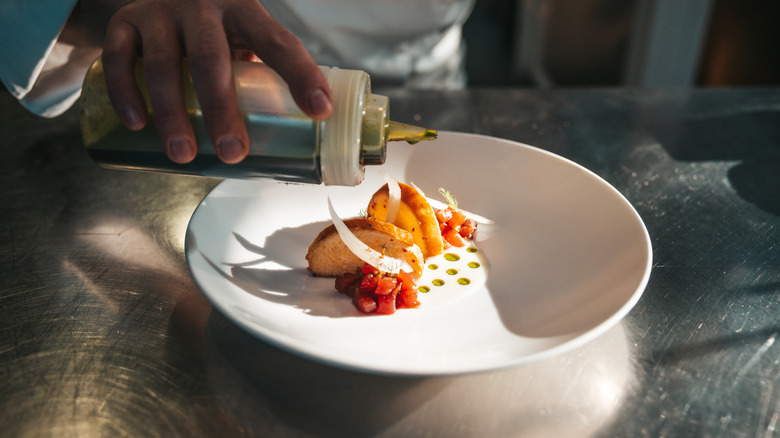
We eat with our eyes first. You do not need restaurant training to make a home-cooked meal look inviting. Start with a clean white plate; it makes colors pop. Use odd numbers when arranging protein or vegetable pieces—three scallops look more appealing than four. Wipe the rim of your plate before serving. A tiny sprinkle of fresh herbs or a drizzle of good olive oil right at the end can elevate even the simplest weeknight dinner.
Bringing It All Together
Food and cooking are not about perfection. They are about nourishment, creativity, and the joy of making something with your own hands. The journey from a nervous beginner to a confident home cook does not happen overnight. It happens one meal at a time, one mistake at a time, one small victory at a time.
Start with the basics. Set up your kitchen so it works for you. Practice your knife skills. Respect your heat. Season boldly and taste often. Plan ahead, but stay flexible. Most importantly, give yourself permission to mess up. Every great cook has burned garlic, oversalted soup, and served undercooked chicken at least once. What matters is that you come back to the kitchen tomorrow with curiosity instead of fear.
Frequently Asked Questions
How long does it take to become a confident home cook?
Most people notice a significant improvement in their comfort level after cooking three to four times per week for about two to three months. Confidence builds through repetition, not speed.
What is the single most important skill for beginners?
Learning to taste and season as you go. If you develop the habit of adjusting salt and acid throughout the cooking process, your food will improve immediately.
Do I need expensive cookware to cook well?
No. A single sharp knife, one reliable skillet, and a basic saucepan are enough to prepare ninety percent of home-cooked meals. Focus on technique first; upgrade tools later.
How do I fix food that is too salty?
You can add more liquid or unsalted broth to dilute the saltiness. Adding a starchy ingredient like a diced potato may also help absorb excess salt. A squeeze of lemon juice can balance the perception of salt on the palate.
Is meal planning really worth the effort?
Yes. Even a loose plan reduces daily stress, cuts down on food waste, and often leads to healthier eating. You do not need to plan every single meal. Start with planning just dinners for three or four days each week.
What should I cook first if I am a total beginner?
Start with a one-pan roasted chicken and vegetables. It requires minimal technique, teaches you about heat and timing, and the results are consistently impressive. Plus, you only have one pan to wash afterward.